
Health Services | Online Mail Order Pharmacy
Article Refreshed - 15th October, 2026 10:30 am
Find Trusted Ear Wax Removal Clinics Across the UK
Our health services page brings together a network of clinic providers offering private microsuction ear wax removal in towns and cities across the UK. Each clinic page is designed to help patients compare access, location, parking and treatment options quickly, so you can make an informed choice without trawling through unrelated search results. Whether you are looking for a local audiology clinic, a pharmacy-based service or a ground-floor treatment room with step-free access, the listings are built to support straightforward decision-making. The emphasis is on practical information, including clinic setting, nearby transport links and whether the service is suitable for people who need disabled access or wheelchair-friendly entry. This page is useful if you want a clear route to a hearing care appointment, a private ear cleaning service or a same-day assessment for blocked ears. It is also designed with British English and UK healthcare expectations in mind, so the information is easy to read, direct and relevant to patients comparing options near them.
How the Clinic Listings Are Structured
Each location page focuses on the essentials people usually want first, such as where the clinic is, how to reach it and what type of ear wax removal service is available. That helps users scan for microsuction, manual instrument removal and private audiology support without confusion. Where relevant, the pages also note nearby stations, car parks, bus routes and building access details, which is helpful for older adults, hearing aid users and anyone with reduced mobility. The structure aims to reduce friction for searchers who need a quick answer, especially when they are comparing ear care options on mobile or using voice search. From an SEO perspective, this format also supports location-based intent, so each clinic page can match queries like ear wax removal near me, private ear wax extraction or hearing clinic in a specific area. The result is a practical directory style experience that is easy to navigate and grounded in service details, not vague marketing claims.
Private Microsuction for Blocked Ears
Microsuction is one of the most common professional methods used to remove excess ear wax in a clinic setting. It is performed by trained clinicians using a microscope or video magnification, along with gentle suction to clear the ear canal. For many patients, it is preferred because it does not usually rely on water irrigation and can be suitable when a quick, controlled treatment is needed. People often look for this service after noticing muffled hearing, discomfort, fullness in the ear or difficulty using hearing aids. A good clinic listing should make it clear whether the service is provided by audiologists, hearing specialists or other qualified practitioners, and whether the appointment is private or part of a wider health service. On this page, the location pages are intended to help patients find accessible treatment options, understand the setting and decide which clinic fits their needs. That makes it easier to move from search to booking with fewer unnecessary steps.
- Microsuction is carried out in a clinical environment, which helps support safe and precise removal of ear wax for suitable patients.
- Many people choose private ear wax removal when they want a faster appointment, clearer access information or a location closer to home.
- Blocked ears can affect hearing, balance and comfort, so prompt treatment can improve day-to-day activities and communication.
- Qualified practitioners can assess whether microsuction or another approach is the most appropriate option for the ear canal and symptoms.
- Clinic pages often include ground-floor access, parking details and station proximity, which matters for patients planning a visit.
What to Expect Before Your Appointment
Before attending an ear wax removal appointment, it helps to know what the clinic will need from you and how the service usually works. Most patients are asked about symptoms, hearing changes, pain, recent ear infections and any previous treatment. This information helps the clinician decide whether microsuction is suitable or whether another referral route is safer. It is also sensible to avoid putting objects into the ear, as cotton buds can push wax deeper and irritate the canal. Some clinics advise softening drops beforehand, while others assess the ears first and decide on the best approach at the appointment. The pages in this directory are designed to support that decision-making by giving a clear picture of clinic setting, access and treatment type. For people searching on behalf of a family member, the information can also help with planning travel, parking and mobility needs. The aim is to remove uncertainty before the visit, so patients arrive prepared and confident.
Useful Checks Before You Travel
It is sensible to check whether the clinic is on the ground floor, has disabled parking or offers lift access if mobility is limited. You may also want to confirm if the site is near a railway station, has nearby on-street parking or sits inside a pharmacy, surgery or health centre. These details can affect timing, especially if you are attending after work or arranging transport for someone else. If you wear hearing aids, bring them with you, along with any relevant medical notes if advised by the clinic. That way, the practitioner can assess the ears properly and give appropriate aftercare guidance. Knowing the setting in advance reduces stress and can make the appointment feel more efficient and less rushed.
Why Accessibility Details Matter for Health Services
Accessibility is not a minor extra, it is part of safe and practical healthcare. For many patients, the difference between a usable clinic and an unsuitable one comes down to step-free access, nearby parking, a ground-floor room or a wheelchair lift. That is especially important for ear care appointments, where people may already be dealing with discomfort, reduced hearing or dizziness. Clear access information also helps carers, older adults and parents arranging appointments for children or dependants. This page is structured to make those details easy to compare across clinic locations, so patients can choose a service that suits their mobility, travel and clinical needs. In search terms, that supports queries around accessible private clinics, hearing care appointments and local microsuction services. In practical terms, it helps reduce missed appointments and makes the overall experience easier to manage. Good accessibility information should be specific, honest and written in a way that answers the patient’s immediate questions.
- Review station proximity and walking distance, because a short route can make a big difference on the day of treatment.
- Check whether the clinic is on the ground floor, because stairs can be a barrier for patients with pain, balance issues or limited mobility.
- Look for disabled parking, nearby public parking or clear drop-off points if you are travelling with someone who needs support.
- Choose a clinic that provides practical travel details, since that usually reflects a more patient-focused service.
- Confirm whether the building has a lift or wheelchair access, especially if you use mobility aids or attend with a carer.
Comparing Clinics by Location and Service Type
When people search for an ear wax removal clinic, they often compare more than just the postcode. They want to know whether the provider is based inside a pharmacy, a health centre, a specialist hearing clinic or a treatment space shared with other health professionals. They also want to know if the site offers microsuction only, or if it includes manual instrument removal for selected cases. This directory style page supports that comparison by bringing together locations with concise, useful service information. That is valuable for users who need a quick answer and for search engines that reward clear, localised detail. A strong location page should explain who the service is for, where it is based and what practical features help the visit go smoothly. It should also avoid vague claims and instead give tangible facts such as parking availability, public transport links and clinic floor level. That kind of content is easier for patients to trust and easier for answer engines to extract.
What Patients Usually Compare First
Most people begin with distance, availability and access. After that, they often look at the type of ear wax removal offered, the reputation of the clinic and whether the setting feels convenient for a short appointment. Some patients want a pharmacy-based clinic because it feels familiar, while others prefer a specialist hearing service with a more clinical environment. Search terms such as private ear wax removal, hearing clinic, audiology appointment and microsuction clinic all point towards a strong local service intent. The clinic pages on this site are built around that intent, helping users match their symptoms and travel needs to the right provider. That saves time and supports better choices, particularly when the issue is affecting hearing or daily comfort.
Ear Care Support for Hearing-Related Symptoms
Excess ear wax can cause a range of symptoms, including muffled hearing, pressure, tinnitus, itchiness and a blocked sensation. In some cases, it may also make hearing aids less effective or create discomfort during everyday activities. While not every symptom is caused by wax, many people seek a clinic appointment because the problem has persisted or become disruptive. A well-written health services page should help visitors recognise the purpose of the service without overstating what it can do. That means explaining the role of professional ear wax removal in straightforward terms and pointing patients towards assessment rather than self-treatment. It also means using clear language around audiology, ear health and hearing care, because those terms help people find the right service online. For users and search engines alike, the value lies in factual, patient-centred explanation. If the clinic page helps someone understand their options and arrange a suitable appointment, it has done its job well.
When to Choose a Clinic Rather Than Home Remedies
If symptoms are ongoing, painful or affecting your hearing, a clinic assessment is usually more appropriate than guessing at home. Professional ear wax removal can identify whether the ear canal is blocked, whether the wax is soft or hardened, and whether another issue needs attention. Home approaches are not always suitable, particularly if you have had ear surgery, perforation, infection or recurring problems. A clinic can also advise on future ear care and whether follow-up is needed. That combination of assessment and treatment is often what patients need when they have reached the point of searching for a local service.
Simple Patient Rule of Thumb
If ear wax is making you miss conversations, turn up the television or remove your hearing aids more often, it is worth seeking a professional opinion rather than waiting for the problem to resolve itself.
Health Services Designed for Local Search Intent
This page is built to help users find a clinic quickly when they already know what they need. That means the content should align with the way people search, using terms such as ear wax removal, microsuction, private clinic, hearing care and local audiology support. It also needs to make sense for voice search, where a person may ask for the nearest ear wax removal clinic with parking or step-free access. The best way to support that behaviour is with precise, factual service descriptions and well-organised location information. A visitor should be able to understand the clinic type, the access arrangements and the likely treatment route without reading unnecessary filler. That is important for usability and for E-E-A-T, because clarity and specificity help build trust. When pages are concise but informative, they answer the user’s question faster and reduce confusion. For healthcare content, that is not only good practice, it is part of responsible communication.
Health service pages also need consistency. If one clinic offers a ground-floor room with disabled parking and another sits inside a pharmacy near a station, those facts should be presented plainly, not buried. The same applies to treatment names, practitioner roles and access features. That makes the directory more useful for patients comparing several options in one session. It also gives search engines a clean set of entities to understand, which can improve visibility for location-based and service-based queries.
How This Helps Answer Engines
Answer engines tend to favour direct, structured information that states what the service is, where it is and who it is for. They also look for clear relationships between the clinic, the treatment and the location. By using specific place names, service terms and access details, the page becomes easier to summarise accurately. That can help a patient find the right clinic faster, especially when they need a practical answer rather than broad medical advice.
Choosing a Suitable Private Ear Wax Removal Provider
Selecting a private provider is often about balancing trust, convenience and clinical suitability. Patients commonly want a clinic that feels professional, offers prompt access and explains the treatment clearly. For ear wax removal, that usually means a registered or experienced practitioner, a clean clinical environment and sensible aftercare advice. It can also mean choosing a location that reduces travel time or fits around work, school runs or caring responsibilities. On this page, the listed clinics vary in setting, but they all serve the same core need, safe and practical ear wax removal close to the patient. Some are based in pharmacies, others in specialist clinics or health centres, and that variety gives users more chance of finding a convenient option. From an SEO perspective, this also broadens the page’s relevance across different local and service-based search intents. From a patient perspective, it makes the directory more genuinely useful because it reflects the different ways people access healthcare in the UK.
- Consider whether the clinic appears to work from a pharmacy, surgery or specialist hearing setting, depending on your comfort level.
- Review transport and parking details if you are travelling from outside the immediate area or attending with limited mobility.
- Check whether the provider names the treatment, such as microsuction or manual removal, so you know what appointment to expect.
- Look for clear clinic information, because transparent details about access and setting usually indicate a more patient-friendly service.
- Choose a location that fits your schedule, because practical access can matter as much as the treatment itself.
Clear Information for Patients, Carers and Families
Health service directories are not only for individual patients. They are also used by carers, relatives and support workers who need reliable information quickly. A family member may be searching because someone has sudden hearing blockage, repeated wax build-up or difficulty wearing hearing aids. In that case, practical details matter just as much as the treatment name. Is the clinic on one level? Is there parking nearby? Is the site close to a station or accessible by bus? These questions affect whether the appointment is manageable on the day. The clinic listings on this page are intended to answer those everyday concerns without making people hunt through unrelated pages. That helps reduce anxiety and gives carers a clearer plan. It also supports better communication, because patients can be told what to expect before they arrive. Good health content should remove uncertainty where possible and never assume the reader already knows the process.
Why Plain Language Works Best
Plain language improves understanding, especially when someone is already worried about a symptom or waiting to book treatment. Terms such as ear wax removal, hearing care, audiology and microsuction are familiar enough to guide the search, but the surrounding explanation needs to stay simple and specific. That is why this style of content works well for both humans and machines. It delivers the essential facts in a format that is easy to read, easy to scan and easy to trust. For healthcare topics, that matters more than decorative wording or sales language. People want to know where to go, what the service does and whether the clinic will meet their needs.
Find your ideal health clinic with our list of trusted clinic providers:

Ashford: Private Microsuction Ear Wax Removal in Ashford Tn24

Barnet: Private Microsuction Ear Wax Removal in Barnet En5
Cambridge: Private Microsuction Ear Wax Removal in Cambridge Cb2
Colindale: Private Microsuction Ear Wax Removal in North West London Nw4
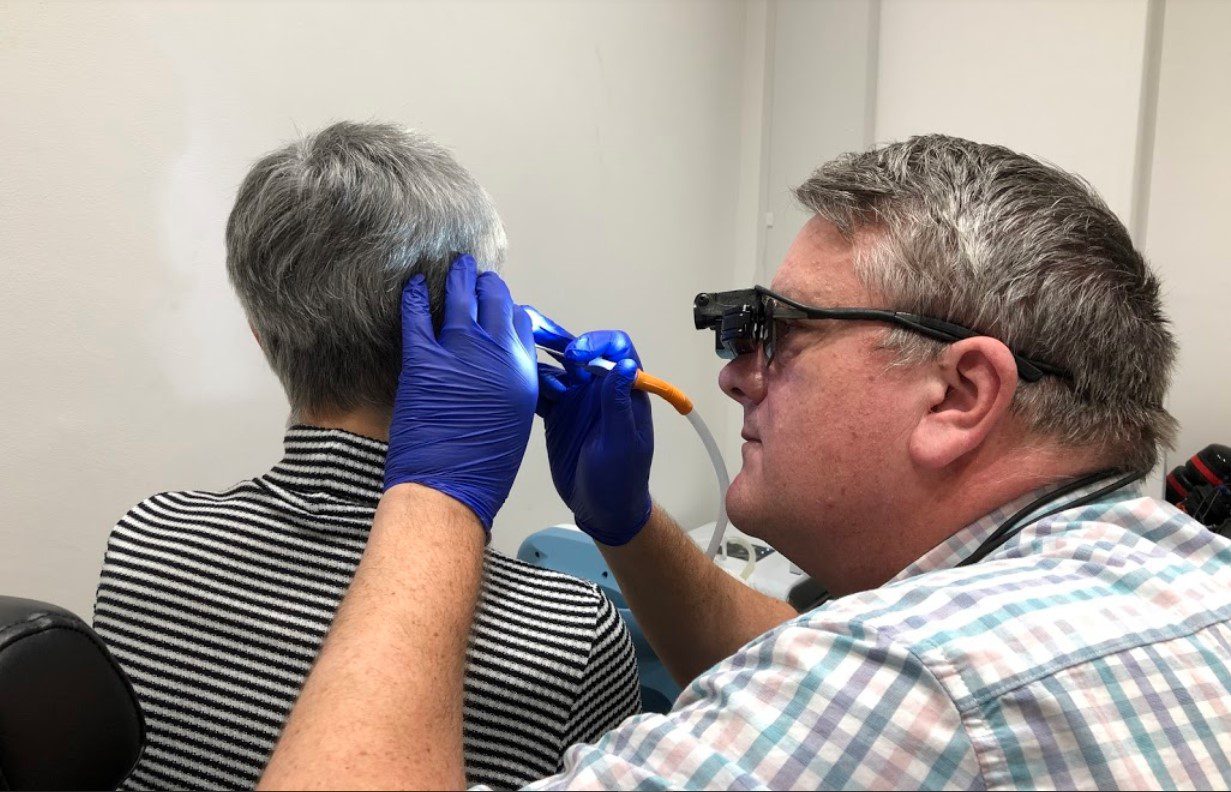
Ealing: Private Microsuction Ear Wax Removal in Ealing W5

East Finchley: Private Microsuction Ear Wax Removal in East Finchley N2
Edgware: Private Microsuction Ear Wax Removal in North London Nw4

Enfield: Private Microsuction Ear Wax Removal in Enfield En1
Finchley: Private Microsuction Ear Wax Removal in Finchley North London
Hastings: Private Microsuction Ear Wax Removal in Hastings Tn34
Hendon: Private Microsuction Ear Wax Removal in North West London Nw4
Hythe: Private Microsuction Ear Wax Removal in Hythe Ct21
Kingston: Private Microsuction Ear Wax Removal in Kingston-Upon-Thames Kt6
Mill Hill: Private Microsuction Ear Wax Removal in North West London Nw4

Milton Keynes: Private Microsuction Ear Wax Removal Mk in Bucks Mk2

Muswell Hill: Private Microsuction Ear Wax Removal in Muswell Hill N2

Oxford: Private Microsuction Ear Wax Removal in Oxford Ox2
Reading: Private Microsuction Ear Wax Removal in Reading Rg30

St Albans – Private Microsuction Ear Wax Removal in St Albans Al1
Surbiton: Private Microsuction Ear Wax Removal in Surbiton Kt6

Watford: Private Microsuction Ear Wax Removal in Watford Wd3

Welwyn Garden City: Private Microsuction Ear Wax Removal in Welwyn Al8
Using This Directory to Book with Confidence
Before making an appointment, many people want reassurance that they have chosen the right clinic. This directory is designed to support that final step by giving a concise overview of each location and the type of ear wax removal service offered. If you are comparing providers, focus first on access, clinical setting and treatment method, then consider travel time and appointment convenience. That approach is usually the most practical, particularly when symptoms are interfering with hearing or daily life. The goal is to make the path from search to booking simpler, whether you are looking for a nearby hearing clinic, a private microsuction appointment or an ear care service with step-free access. Because the information is organised by location, it works well for users in different parts of the UK and for search engines that rely on local intent signals. In short, the page is here to help you make a sensible choice quickly, using facts that matter at the point of decision.
Choose the clinic that fits your symptoms, your journey and your access needs, because the best appointment is the one you can attend comfortably and with confidence.